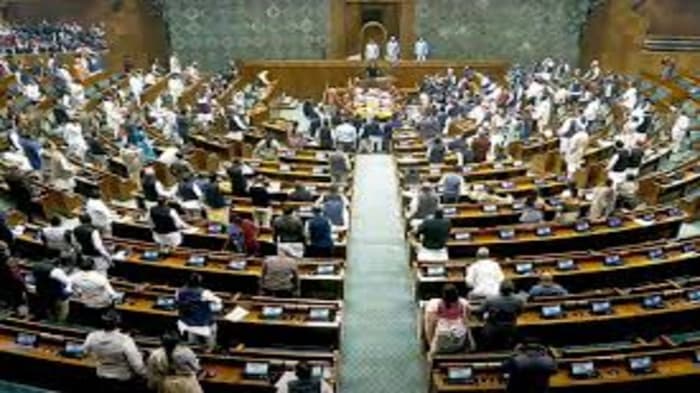
The Winter Session of Parliament 2025 witnessed intense legislative activity, with several key Bills related to economic reforms, digital governance, and social-sector development placed before both Houses. While the government emphasised timely law-making to advance policy objectives, concerns were raised over limited discussion time and the quality of parliamentary scrutiny.
A number of economically significant legislations were introduced or taken up for passage, aimed at improving regulatory frameworks, promoting investment, and strengthening governance mechanisms. Digital governance reforms, including measures related to data management and service delivery, reflected the growing role of technology in public administration. Social-sector Bills addressing welfare, education, and social justice were also part of the legislative agenda, underlining the breadth of issues under consideration.

However, parliamentary observers noted that several Bills were debated for relatively short durations. Limited discussion restricts the ability of Members of Parliament to examine legislative provisions in detail, raise constituency concerns, and suggest improvements. Parliamentary debate is essential not only for refining legislation but also for ensuring transparency and executive accountability.
The role of parliamentary standing committees came into focus during the session. Committees provide a platform for detailed scrutiny, expert consultation, and bipartisan engagement, often improving the quality of legislation. Calls were renewed for referring more Bills to committees to allow for evidence-based deliberation and stakeholder inputs.
Frequent disruptions and adjournments further affected the effective functioning of Parliament, reducing time available for Question Hour and Zero Hour—key instruments for holding the executive accountable. This trend raises concerns about the balance between legislative efficiency and the principles of deliberative democracy.
The way forward lies in institutional strengthening. Ensuring adequate debate time, strengthening committee processes, enforcing parliamentary discipline, and improving research support for MPs can enhance legislative outcomes. Greater transparency and public engagement can also strengthen trust in parliamentary processes.
In conclusion, the Winter Session of Parliament 2025 highlighted the need to reconcile speedy law-making with meaningful deliberation. Robust parliamentary scrutiny remains central to democratic accountability and high-quality legislation.





.jfif&w=256&q=75)