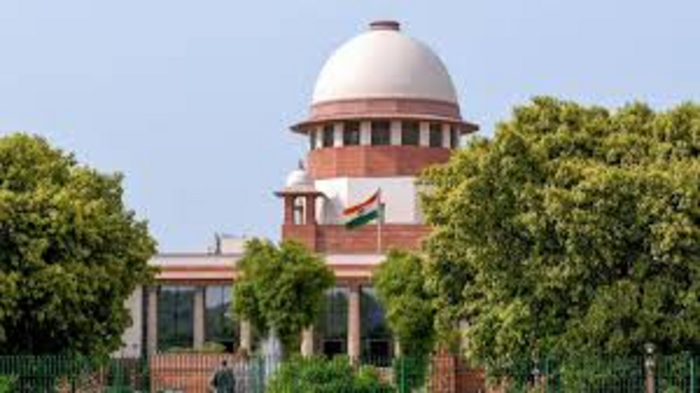
The Supreme Court of India has raised concerns over the increasing trend of indiscriminate distribution of freebies by state governments, warning that such practices could negatively impact fiscal sustainability and economic stability. The Court observed that while welfare measures are essential for supporting vulnerable sections of society, excessive and untargeted distribution of freebies can strain public finances and reduce the government’s ability to invest in long-term development.
Freebies generally refer to goods or services provided free of cost or at highly subsidized rates, such as free electricity, loan waivers, or consumer goods. While these measures are often introduced to support economically weaker sections, the Court emphasized that they must be carefully designed and financially sustainable. Excessive spending on freebies can increase fiscal deficits, raise public debt, and limit resources available for essential sectors such as healthcare, education, and infrastructure.

The Court stressed the importance of adopting a targeted welfare approach, where benefits are directed specifically toward those who genuinely need support. Targeted welfare ensures efficient use of public funds and promotes inclusive development without compromising fiscal stability. The Court also highlighted the need for transparency and accountability in government spending to ensure responsible financial management.
This issue has significant implications for governance and economic policy. It reflects the broader debate between providing social welfare and maintaining fiscal discipline. While welfare programs are crucial for reducing poverty and inequality, maintaining sound fiscal health is essential for long-term economic growth and macroeconomic stability.
Overall, the Supreme Court’s observations underline the importance of balancing social welfare objectives with financial responsibility. Sustainable fiscal policies ensure that governments can continue to provide essential services, support economic growth, and maintain stability while protecting the interests of future generations.