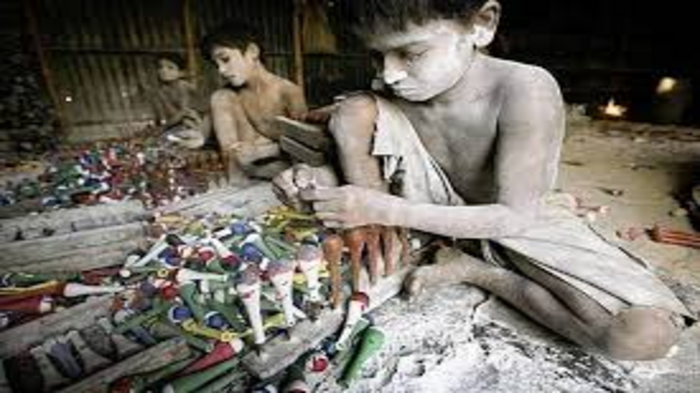
The Parliamentary Standing Committee on Labour has reviewed the implementation of child labour eradication measures in India and highlighted significant gaps in enforcement of existing laws. While acknowledging progress made under the Child and Adolescent Labour (Prohibition and Regulation) Act and allied schemes, the Committee observed that child labour persists in informal sectors such as agriculture, domestic work, small manufacturing units, and urban services.
The Committee noted that weak enforcement, poor inter-departmental coordination, and under-reporting continue to undermine effective elimination of child labour. Labour inspections remain inadequate, particularly in the informal economy, and prosecutions under child labour laws are often delayed or ineffective. The Committee emphasized the need for strengthening inspection mechanisms, use of technology for tracking violations, and capacity-building of enforcement agencies.

A key recommendation of the Panel is the integration of education and livelihood support into child labour eradication strategies. It stressed that poverty, migration, and lack of social security are primary drivers of child labour. Without addressing household economic distress, rescue and rehabilitation efforts remain short-lived. The Committee called for convergence between labour enforcement, school education departments, and welfare schemes such as mid-day meals, scholarships, and skill development programs for parents.
The Panel also highlighted the importance of rehabilitation and mainstreaming of rescued children through bridge courses, counseling, and age-appropriate schooling under the Right to Education framework. Community awareness, involvement of local bodies, and partnerships with civil society organizations were identified as critical for sustainable outcomes.
Significance
The Parliamentary Panel’s review strengthens the protection of child rights by emphasizing enforcement, rehabilitation, and socio-economic support. By linking child labour eradication with universal education and family livelihood security, the recommendations advance constitutional values, human development, and inclusive growth.