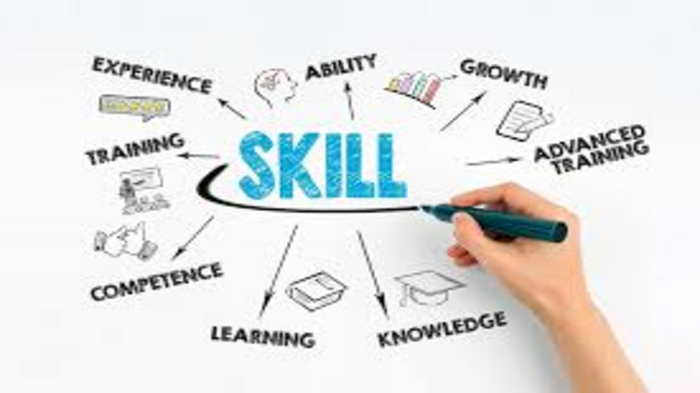
The implementation of the National Education Policy 2020 is accelerating a major shift in India’s education system towards skill-based learning. Recognising the need to align education with the demands of a rapidly evolving job market, the policy emphasizes practical knowledge, vocational training, and industry relevance alongside traditional academic learning.
Key Highlights:
A key reform under this transition is the integration of vocational education into mainstream curricula at school and higher education levels. Students are being introduced to skill-based subjects from an early stage, enabling them to explore diverse career pathways beyond conventional academic streams. This approach aims to reduce the stigma associated with vocational education and promote it as a viable and valuable career option.

Industry-academia collaboration is another important focus area. Educational institutions are increasingly partnering with industries to design curricula, offer internships, and provide hands-on training opportunities. Such collaborations ensure that students acquire practical skills and real-world exposure, making them better prepared for employment.
The emphasis on employability skills includes communication, critical thinking, problem-solving, and digital literacy. With the rise of emerging technologies and changing job roles, these skills are becoming essential for success in the modern workforce. Initiatives are also being undertaken to promote entrepreneurship and innovation among students.
Additionally, digital learning platforms and flexible course structures are supporting continuous skill development and lifelong learning, allowing individuals to upgrade their skills as per market requirements.
Significance:
The shift towards skill-based learning is crucial for bridging the gap between education and employment. By equipping students with relevant skills, it enhances their employability and reduces the mismatch between workforce capabilities and industry needs.
This transformation also supports economic growth by creating a skilled workforce capable of driving innovation and productivity. It encourages entrepreneurship and self-employment, contributing to job creation.
From a social perspective, the emphasis on vocational education promotes inclusivity by providing diverse learning opportunities for students with different interests and abilities.
In the long term, aligning education with market needs will strengthen India’s human capital and improve its global competitiveness. The move towards skill-based learning represents a significant step in building a future-ready education system that meets the demands of a dynamic economy.