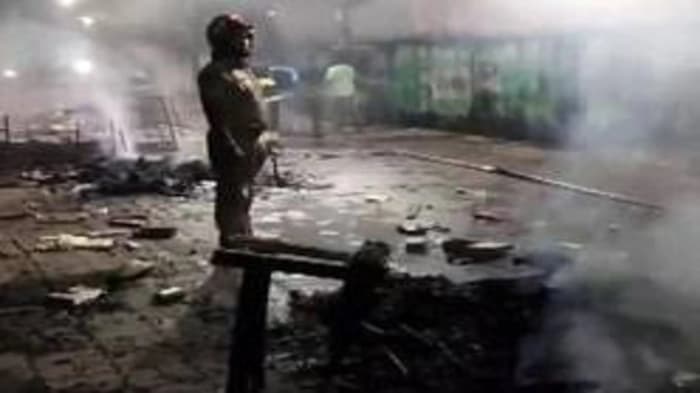
Earlier in October 2025, the city of Cuttack in Odisha witnessed a spate of communal violence during a Durga Puja immersion procession, leading to curfews, multiple arrests, and heightened social tension. The incident underscores the fragility of communal harmony in urban India, particularly during religious festivals, and raises pressing questions about policing, administrative preparedness, and the role of community engagement in preventing such flare-ups.
According to reports, the clashes erupted in areas such as Dargah Bazaar and Haathi Pokhari, where objections were raised regarding the loud music during the immersion procession. Minor disputes quickly escalated into stone-pelting and arson, affecting both property and public safety. Authorities responded by imposing curfew orders and internet shutdowns, aiming to prevent the spread of rumors on social media and to regain control over the volatile situation. Such measures, while necessary in the short term, also highlight the challenges of managing crowd psychology and digital misinformation in densely populated areas.

Political reactions were varied. The state government emphasized strict action against perpetrators and promised timely restoration of order, whereas opposition voices pointed to possible external instigation, reflecting the politicized lens through which communal incidents are often interpreted. The situation underscores how communal tensions can quickly become a matter of political contestation, complicating efforts to restore trust and social cohesion.
The Cuttack episode also brings to light the structural and procedural vulnerabilities that can exacerbate communal violence. These include inadequate police preparedness, delayed conflict resolution at the community level, and insufficient monitoring of events that involve large gatherings. Additionally, the role of social media platforms in propagating misinformation can inflame tensions, making rapid response and information management critical for preventing escalation.
Moving forward, prevention strategies must focus on a multi-pronged approach. Strengthening community engagement initiatives, promoting dialogue among local religious leaders, and enhancing police intelligence and crowd management are vital. Pre-event planning, including clear guidelines for festival celebrations, controlled music levels, and coordination between law enforcement and local bodies, can reduce friction. Media literacy campaigns and rapid response teams to counter fake news on social platforms can also mitigate rumor-driven violence.
In conclusion, the Cuttack communal violence serves as a cautionary tale about the delicate balance of religious pluralism and public order in India. It highlights the need for proactive administration, community participation, and responsible media practices to preserve social harmony. By learning from such incidents and institutionalizing preventive measures, authorities and civil society can work together to ensure that festivals remain celebrations of culture rather than flashpoints of conflict.