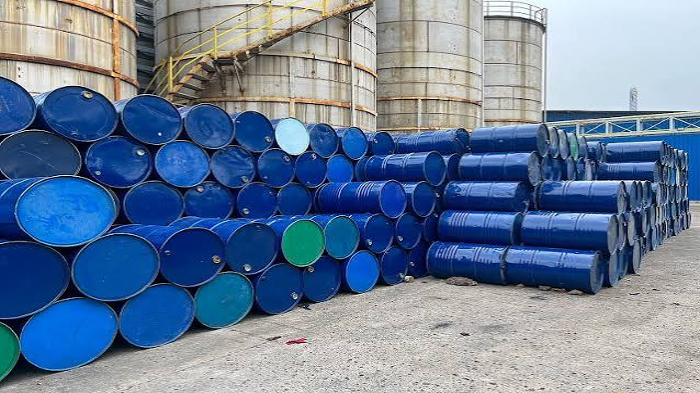
The Group of Seven (G7) countries have agreed to release 100 million barrels of crude oil and petroleum products from emergency reserves over four months, with a substantial quantity of diesel to be released within the first 20 days. The move comes as global diesel supplies have tightened and prices have risen sharply amid geopolitical conflicts and disruptions to major energy routes.
The G7 will coordinate the releases through the International Energy Agency (IEA) and has also agreed to examine further diesel releases if market conditions require. The grouping has called for avoiding energy export restrictions and coordinating refinery maintenance schedules to prevent several refineries from shutting down simultaneously. It has also encouraged higher refinery utilisation to increase diesel production.

The decision followed pressure from US President Donald Trump, who had warned that the United States could restrict diesel exports as domestic prices reached record levels. However, following the G7 announcement, Trump said the US would not impose an export ban.
Diesel is particularly important because it powers transportation, agriculture, construction and heavy industries. Europe has also become increasingly dependent on diesel imports after reducing its reliance on Russian fuel following the Ukraine war.
For India, lower international diesel prices could provide relief to bulk and industrial consumers whose prices are linked to global rates. A decline in international prices could also reduce inflationary pressures and lower the under-recoveries of public-sector fuel retailers on retail diesel sales.
However, increased global supply could reduce the unusually high refining margins enjoyed by Indian private refiners and major diesel exporters such as Reliance Industries and Nayara Energy.
The emergency stock release is therefore a short-term measure rather than a solution to structural disruptions in refinery operations, shipping and global fuel supply.




.jfif&w=256&q=75)