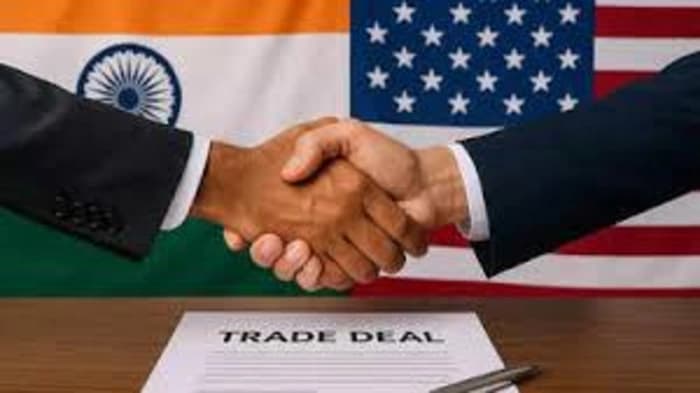
India and the United States began a three-day round of trade negotiations in New Delhi on 10 December 2025, marking an important step in advancing a comprehensive bilateral trade framework. The talks are aimed at addressing long-standing market access issues, tariff and non-tariff barriers, and regulatory challenges affecting exporters on both sides. These negotiations form part of broader efforts to deepen economic engagement between the two countries amid shifting global trade dynamics.
Bilateral trade between India and the US crossed USD 131 billion in 2024–25, making the US India’s largest trading partner. Both governments have expressed ambition to significantly expand this figure, with long-term targets of reaching USD 500 billion in trade by 2030. Against this backdrop, the current round of talks is being viewed as a confidence-building step towards a more structured and predictable trade relationship.

Key discussion areas include tariffs on Indian exports such as crude oil derivatives, pharmaceuticals, textiles and engineering goods, as well as US concerns over market access, regulatory transparency and standards. India has also been pushing for greater access for its services sector, particularly IT and professional services, while seeking smoother mobility pathways for skilled workers. For the US, issues such as intellectual property protection, agricultural market access and digital trade rules remain priorities.
Beyond tariffs, the negotiations reflect a shared interest in supply-chain diversification, resilient manufacturing and investment flows. As global trade faces uncertainty due to geopolitical tensions and protectionist trends, India–US trade cooperation is increasingly seen as strategically important for both economies.
However, challenges remain. Balancing domestic industry protection with export competitiveness is a sensitive policy issue for India, while US domestic political considerations often influence trade positions. Achieving consensus will therefore require gradual, issue-based progress rather than a single comprehensive agreement.
Why it matters:
Progress in India–US trade talks can boost exports, investment and employment in India, while strengthening a key strategic partnership. A stable and mutually beneficial trade framework also enhances India’s integration into global value chains and supports long-term economic growth.