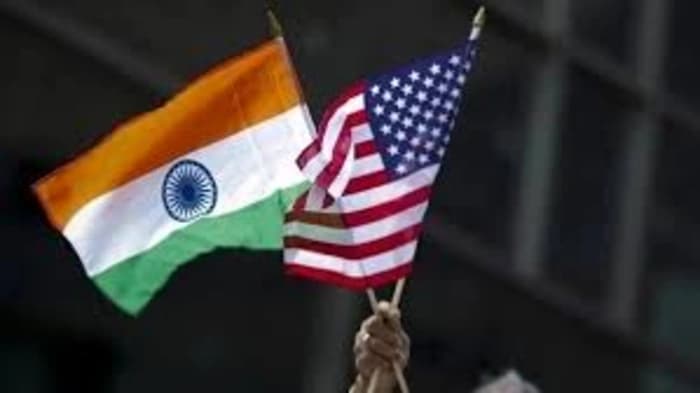
India–United States trade negotiations received fresh momentum after India’s Chief Economic Adviser (CEA) indicated that most of the key issues under discussion have been resolved, raising optimism that a bilateral trade deal could be finalised by March 2026. The remarks reflect steady progress in efforts by both countries to deepen economic engagement through a structured and forward-looking trade framework.
The proposed agreement is aimed at addressing long-standing trade irritants while expanding cooperation in goods, services, investment and technology. Core areas of negotiation include tariff rationalisation, market access for agricultural and industrial products, removal of non-tariff barriers, and greater regulatory predictability. Issues related to standards, intellectual property, and digital trade have also featured prominently, given their growing relevance in modern trade agreements.

The United States is India’s largest trading partner, and bilateral trade has expanded significantly over the past decade. A comprehensive trade deal would help consolidate this growth by providing greater certainty to businesses, encouraging supply chain integration and facilitating cross-border investments. For India, improved access to the US market could benefit key sectors such as pharmaceuticals, information technology, textiles, engineering goods and emerging clean-energy industries.
From a strategic perspective, the negotiations align with broader geopolitical and economic shifts, including supply chain diversification and “friend-shoring” initiatives. Strengthened India–US trade ties also complement wider cooperation under frameworks such as the Indo-Pacific Economic agenda and bilateral strategic partnerships.
However, concluding the deal will require careful balancing of domestic policy priorities, including protection of sensitive sectors and regulatory autonomy, with the need for global competitiveness. Transparency and stakeholder consultation will be crucial in ensuring the agreement’s long-term sustainability.
Why it matters:
A successful India–US trade agreement could unlock new growth opportunities, enhance investor confidence, and position India more firmly within global value chains. It also signals India’s willingness to engage proactively in high-standard trade negotiations while safeguarding national economic interests.