In 2025, the festival of Deepavali (Diwali) was officially inscribed on UNESCO’s Representative List of the Intangible Cultural Heritage of Humanity, marking a significant milestone for India’s cultural heritage diplomacy. The decision was taken during a session of UNESCO’s Intergovernmental Committee, hosted in India, and acknowledges the deep cultural, spiritual and social meanings associated with Deepavali across regions and communities.
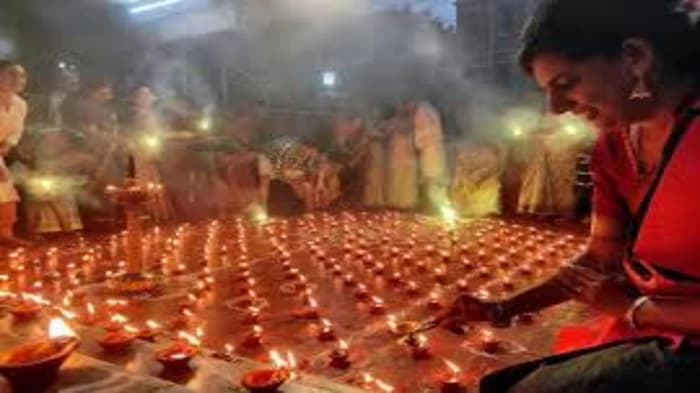
Deepavali is more than a religious observance; it represents a shared cultural tradition cutting across faiths, geographies and social groups. The UNESCO inscription recognises a wide range of associated practices such as lighting diyas, creating rangoli, performing folk rituals, storytelling traditions, community feasts and local craftsmanship. These practices embody values of harmony, renewal, knowledge over ignorance and collective wellbeing, which have been transmitted across generations through oral traditions and community participation.

From a cultural preservation perspective, the listing helps document and safeguard diverse local expressions of Deepavali, many of which are vulnerable to homogenisation and commercialisation. Artisans involved in diya-making, rangoli materials, traditional sweets and festive crafts stand to benefit from greater visibility and support, linking heritage preservation with sustainable livelihoods. It also encourages community-led conservation rather than state-centric monument-focused heritage protection.
At the international level, the inscription significantly enhances India’s soft power. By gaining global recognition for a living cultural tradition, India reinforces its image as a civilisation with deep-rooted, inclusive and pluralistic practices. This aligns with India’s broader strategy of leveraging culture, yoga, festivals and traditional knowledge as instruments of cultural diplomacy.
Why it matters:
The UNESCO recognition of Deepavali strengthens India’s global cultural influence, promotes preservation of living traditions, and underscores the role of intangible heritage in fostering social cohesion, sustainable livelihoods and international goodwill.