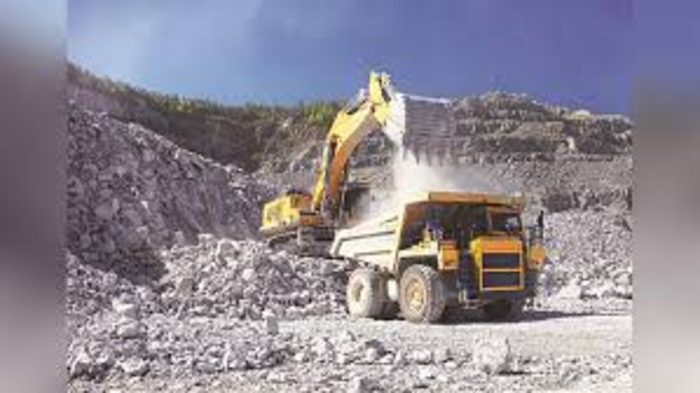
India has introduced its first-ever Tailings Policy, marking a significant step towards recovering critical minerals from mining waste and strengthening domestic mineral supply chains. Tailings refer to the leftover materials generated after the extraction of ore, which have traditionally been treated as waste and stored in tailing dams or dumps. The new policy seeks to transform this waste into a valuable resource through scientific processing and recycling.
Under the policy, mining tailings will be systematically assessed for their potential to yield critical and strategic minerals such as lithium, cobalt, rare earth elements, nickel, and other by-products essential for modern technologies. Advances in mineral processing and metallurgical techniques now allow economically viable extraction of these minerals from old and existing tailings, while simultaneously reducing environmental hazards.

The policy is aligned with India’s growing need for critical minerals that are vital for sectors such as electric vehicles (EVs), renewable energy systems, electronics, and defence manufacturing. Currently, India relies heavily on imports for many of these minerals, making supply chains vulnerable to geopolitical disruptions and global market volatility. Recovering minerals from tailings offers a domestic, secondary source that can enhance resource security.
Environmental considerations are central to the Tailings Policy. Unmanaged tailings pose risks such as land degradation, water contamination, and dam failures. By promoting reprocessing and scientific management, the policy aims to minimise environmental impact, reduce legacy pollution, and improve mine-site rehabilitation. It also supports safer and more sustainable mining practices.
The initiative strongly reinforces the principles of a circular economy, where waste is reused and recycled rather than discarded. Instead of opening new mines, which often face ecological and social challenges, the policy encourages value extraction from existing materials, thereby conserving natural resources.
Experts believe the policy could also attract private investment and innovation in mineral recycling technologies, generating employment and boosting the mining value chain. It complements national initiatives such as Atmanirbhar Bharat and the push for clean energy transition.
Overall, the introduction of India’s first Tailings Policy represents a strategic shift in mineral governance—balancing economic needs, environmental responsibility, and long-term resource security in an increasingly mineral-intensive global economy.