


Beyond capacity addition towards system reliability
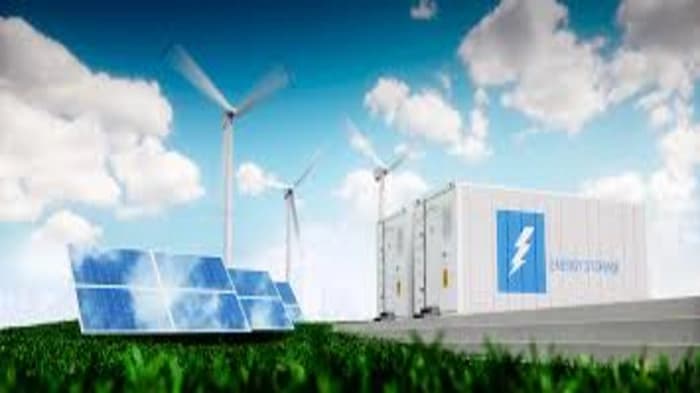
As India accelerates its renewable energy transition, policy discussions in early 2026 increasingly focused on the next phase of reform—ensuring system reliability through energy storage, grid modernisation, and complementary technologies such as green hydrogen. While India has made notable progress in adding solar and wind capacity, the challenge now lies in integrating these intermittent sources into a stable and resilient power system.
Solar and wind energy are inherently variable, with generation dependent on weather and time of day. As their share in the electricity mix rises, maintaining grid frequency, ensuring round-the-clock supply, and managing peak demand become more complex. Without adequate balancing mechanisms, high renewable penetration can lead to curtailment, voltage instability, and reliability risks.

Energy storage has therefore emerged as a critical enabler of the transition. Battery energy storage systems can smooth short-term fluctuations and support peak demand, while pumped hydro storage offers large-scale, long-duration solutions. In addition, green hydrogen is gaining attention as a means to store surplus renewable power and decarbonise hard-to-abate sectors such as steel, fertilisers, and heavy transport.
However, several constraints persist. High capital costs of storage technologies, limited domestic manufacturing capacity, evolving regulatory frameworks, and financial stress in power distribution companies (DISCOMs) hinder rapid deployment. Transmission bottlenecks and delays in grid expansion further constrain the evacuation of renewable power from resource-rich regions to demand centres.
Addressing these challenges requires coordinated policy and institutional action. Strengthening transmission infrastructure through initiatives like the Green Energy Corridor, providing viability gap funding and market-based incentives for storage, reforming DISCOM finances, and promoting hybrid and round-the-clock renewable projects are essential. Encouraging private investment and technological innovation will also play a key role.
In conclusion, India’s renewable energy transition must move beyond capacity addition to system reliability and flexibility. Effective integration of storage and grid upgrades is crucial not only for achieving Net Zero 2070 commitments but also for ensuring affordable, secure, and sustainable energy for long-term economic growth.

UP Board Extends Deadline to October 22 for 5,905 Schools to Submit Class 9, 11 Student Lists

NIOS October Exam 2026: Class 10, 12 Theory Hall Tickets Released; Download Link Here

Haryana Open School Exams 2027: BSEH Extends Application Deadline to October 31

Gauhati University Places Six Faculty Members in World’s Top 2% Scientists List 2026

Ontario’s OSAP funding pause hits ballet school and divinity college students
.jpg&w=256&q=75)
From Class 8 to hospital owner: Rajasthan Police expose alleged fake doctor registration

Who will lead Keralam's universities? Government begins steps to appoint permanent VCs
%20(1)%20(1).jpeg&w=256&q=75)
Why does cracking JEE Advanced depend on coaching? IIT Kanpur Director calls for a revamp
.jpg&w=256&q=75)
NEET-PG 2026 answer key row: Supreme Court seeks NBEMS response on missing question papers
.png&w=256&q=75)
42 Iraqi universities feature in QS Arab Region University Rankings 2027

UP Board Extends Deadline to October 22 for 5,905 Schools to Submit Class 9, 11 Student Lists
NIOS October Exam 2026: Class 10, 12 Theory Hall Tickets Released; Download Link Here
Haryana Open School Exams 2027: BSEH Extends Application Deadline to October 31
Gauhati University Places Six Faculty Members in World’s Top 2% Scientists List 2026
Ontario’s OSAP funding pause hits ballet school and divinity college students
From Class 8 to hospital owner: Rajasthan Police expose alleged fake doctor registration
Who will lead Keralam's universities? Government begins steps to appoint permanent VCs
Why does cracking JEE Advanced depend on coaching? IIT Kanpur Director calls for a revamp
NEET-PG 2026 answer key row: Supreme Court seeks NBEMS response on missing question papers
42 Iraqi universities feature in QS Arab Region University Rankings 2027
Copyright© educationpost.in 2026 All Rights Reserved.