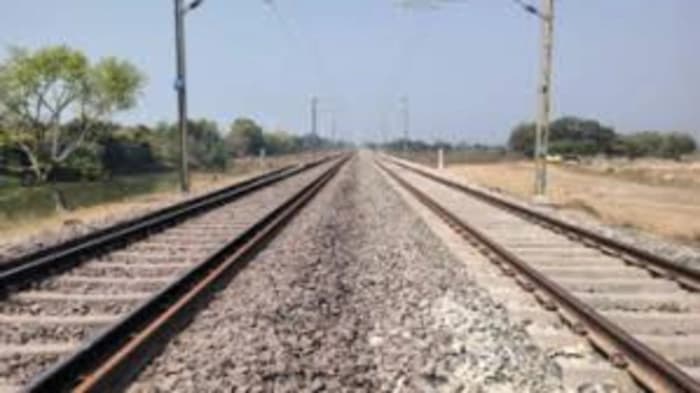
In a significant push to strengthen India’s rail infrastructure, the Union Cabinet has approved two major multi-tracking projects in Maharashtra and Gujarat, adding nearly 224 km of additional railway capacity. The proposals include the doubling of the 141 km Devbhumi Dwarka–Kanalus section in Gujarat and the construction of third and fourth lines on the 32 km Badlapur–Karjat suburban stretch near Mumbai.
Sources: PendulumEdu; The Indian Express
The Devbhumi Dwarka–Kanalus doubling project is expected to significantly boost freight movement along the west coast, a region with high industrial activity and critical port connectivity. The newly proposed lines will enable a smoother, more efficient movement of cargo trains, with estimates indicating an additional 18 million tonnes of freight capacity annually once operational. This will help decongest existing lines and improve turnaround times for goods trains, directly benefiting trade and logistics networks in western India.

Similarly, the Badlapur–Karjat multi-tracking initiative aims to relieve pressure on Mumbai’s busy suburban rail network, one of the world’s most heavily used. With additional tracks, rail operations are expected to become more reliable, with fewer delays and greater flexibility to introduce new suburban services. This expansion will enhance regional mobility, reduce travel stress for commuters, and support the larger urban expansion of the Mumbai Metropolitan Region.
Strategic and Policy Significance
These multi-tracking projects align with the PM Gati Shakti National Master Plan, which seeks to achieve multimodal connectivity, reduce logistics costs, and improve India’s infrastructure competitiveness. Encouraging freight movement by rail over road also contributes to lower carbon emissions, making the projects environmentally and economically strategic.