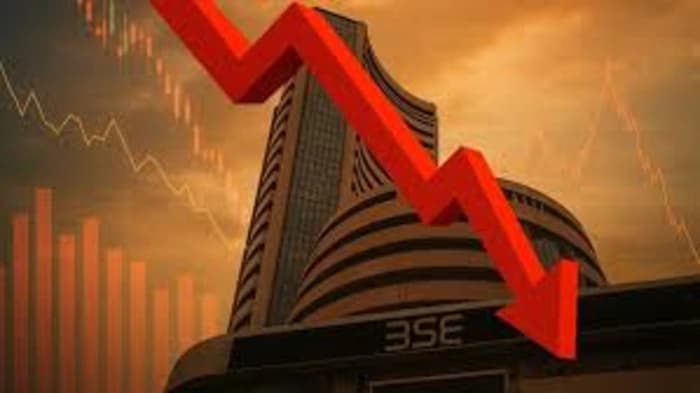
Indian equity markets witnessed a sharp decline, marking their worst single-day performance in nearly two months. The downturn was triggered by a combination of domestic turbulence and external macroeconomic pressures.
The immediate shock came from the ongoing aviation crisis, where large-scale flight disruptions—especially involving IndiGo, India’s largest carrier—spooked investors. Aviation-linked stocks fell sharply, pulling down broader indices.

Simultaneously, the Indian Rupee weakened, reflecting cautious investor sentiment ahead of crucial global monetary policy announcements, particularly from the US Federal Reserve. Expectations of delayed rate cuts or a tighter stance heightened risk aversion across emerging markets, including India.
Why It Matters
1. Domestic Vulnerability to Sectoral Shocks
The market reaction highlights how disruptions in a single large sector—like aviation—can have spillover effects across indices. The aviation crisis raised concerns about:
- supply-chain gaps,
- workforce-management failures,
- rising operational costs, and
- consumer-facing instability.
Such shocks amplify market volatility, especially when they affect high-traffic sectors.
2. Sensitivity to Global Cues

The simultaneous weakening of the rupee underscores India’s continued sensitivity to global monetary conditions. When investors expect higher US interest rates, capital often flows out of emerging markets, weakening local currencies and dragging down equity sentiment.
3. Broader Economic Implications
Sustained volatility can affect:
- foreign portfolio investment,
- borrowing costs for firms,
- financial stability, and
- import bills (particularly energy).
It also places added pressure on the RBI to manage liquidity conditions carefully.
Conclusion
The market decline illustrates the dual challenges India faces — managing domestic sectoral disruptions while navigating global economic uncertainty. Strengthened regulatory oversight, crisis management in critical industries, and macroeconomic stability measures will be key to maintaining investor confidence in the coming weeks.