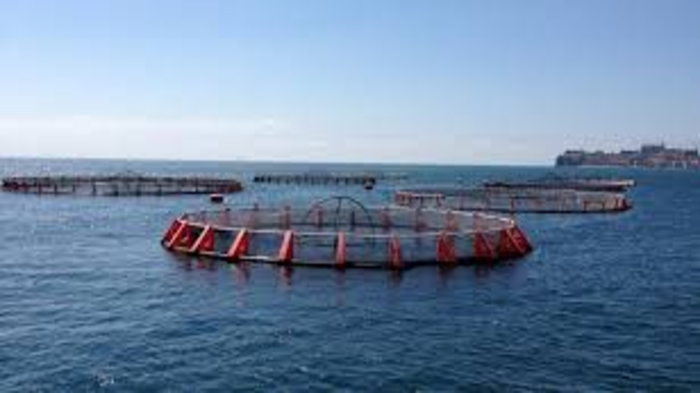
India has inaugurated its first Open-Sea Marine Research Station near the Andaman and Nicobar archipelago, marking a significant milestone in the country’s marine science and ocean research capabilities. The facility is expected to strengthen India’s understanding of ocean processes, marine biodiversity and the impacts of climate change, while supporting the sustainable development of the Blue Economy.
The open-sea station has been designed to facilitate long-term, real-time monitoring of oceanographic parameters such as sea temperature, salinity, currents, ocean chemistry and biological productivity. Unlike coastal laboratories, the station enables continuous observation in deep-sea and open-ocean conditions, providing high-quality data critical for climate modelling and early warning systems.

A major focus of the research station will be the study of marine biodiversity and ecosystems, including coral reefs, pelagic species and deep-sea organisms. The Andaman and Nicobar region, known for its rich and fragile marine ecosystems, offers a strategic location for studying ecosystem resilience, ocean acidification and the impacts of warming seas.
The facility will also support climate impact assessment, particularly in understanding sea-level rise, extreme weather events and their implications for coastal communities and island ecosystems. Data generated from the station is expected to enhance weather forecasting, disaster preparedness and climate adaptation planning.
Strategically, the open-sea research station strengthens India’s presence in the Indian Ocean Region (IOR) and supports maritime domain awareness through scientific engagement. It complements India’s commitments under international frameworks such as the United Nations Convention on the Law of the Sea (UNCLOS) and Sustainable Development Goal 14 (Life Below Water).
Experts have welcomed the initiative as a step towards science-driven ocean governance, noting that robust marine data is essential for sustainable fisheries management, conservation planning and marine resource utilisation. Overall, the inauguration of India’s first open-sea marine research station reinforces the country’s leadership in ocean science and advances its long-term Blue Economy and climate resilience goals.