Assam has rolled out a new set of academic and policy measures, beginning with a curriculum change that introduces compulsory state-specific History and Geography for students in Classes 6 to 8.
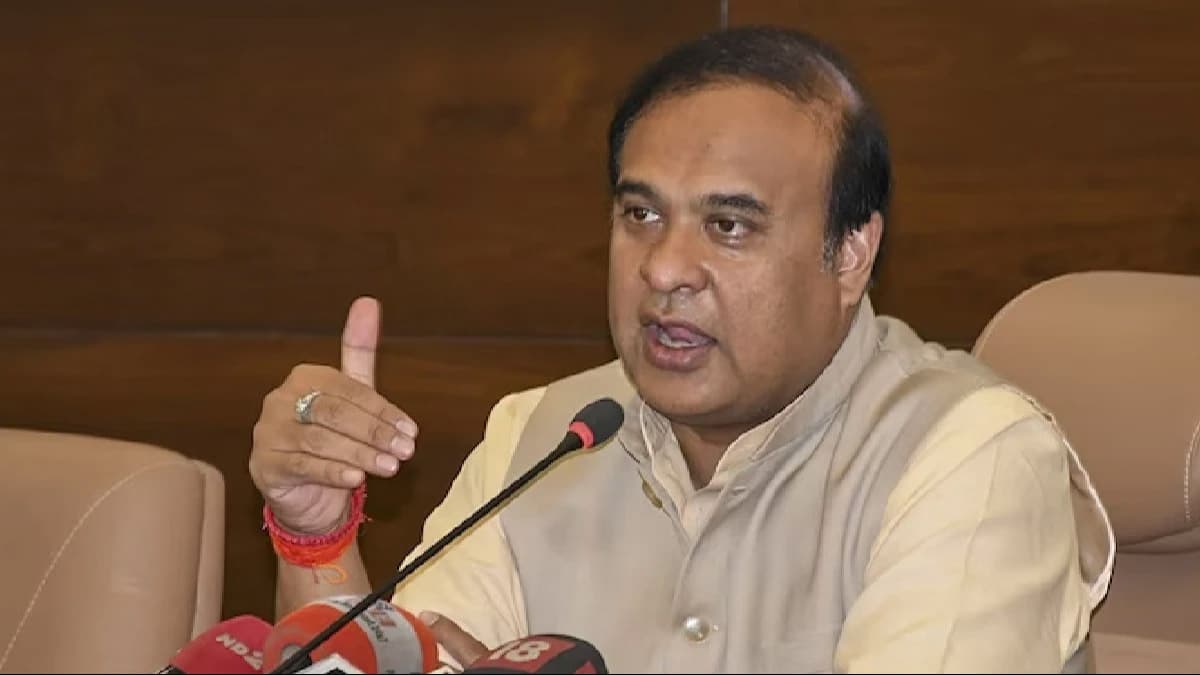
The Chief Minister announced the decision on X, saying that it is based on recommendations from the Justice (Retd) Biplab Kumar Sharma Committee. Each subject will now require students to clear a 50-mark examination.

According to him, the intention is to ensure children develop a grounded understanding of Assam’s past, cultural identity, and physical landscape. He said the step was taken to “shape young minds with the knowledge of Assam.”
The reform is being implemented at a time when the state is still working through longstanding gaps in school infrastructure.
Recent submissions in the Assembly noted that more than 1,400 remote schools continue to operate without drinking water or toilet facilities, and nearly 28,000 teaching positions across government schools remain vacant.
Along with the curriculum change, the government has approved a series of investments meant to expand higher and technical education.
The Cabinet cleared ₹243.66 crore for a new Centre of Excellence at Assam Engineering College in Guwahati.
The facility will focus on Aerospace and Defense, Automotive technologies, and Electric Vehicles to prepare students for high-growth sectors and support MSMEs and emerging industries.
Another major project received approval in Karbi Anglong, where the state will set up a second Sainik School at a cost of ₹335 crore. Funding will come from both the state and central governments.

During the Assembly session, Education Minister Ranoj Pegu outlined the scale of teacher shortages, noting 12,382 vacancies in Middle English institutions and 8,251 unfilled posts in lower primary schools.
Even with these challenges, legislators passed four amendment bills covering fee regulation, provincialization, institutional restructuring, and teacher recruitment and transfers.
Two university bills, the Azim Premji University Bill, 2025, and the NERIM University Bill, 2025, were also approved. The session ended with an opposition walkout.