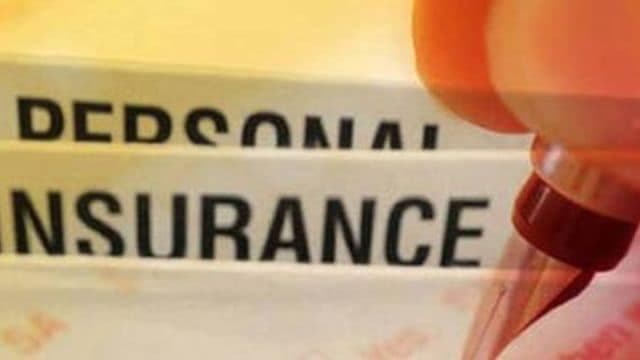
The government is weighing a major relief measure that could reshape the insurance sector — scrapping the 18% Goods and Services Tax (GST) on health and term insurance premiums, or reducing it to 5%. The reform, expected to be announced around Diwali, is aimed at making insurance more affordable and expanding coverage, though it could cost the exchequer nearly ₹17,000 crore annually.
For policyholders, the impact would be immediate. A family health plan priced at ₹50,000 currently costs ₹59,000 after GST. Eliminating or slashing the tax would cut premiums substantially, encouraging first-time buyers and helping low- and middle-income families secure essential coverage.

“This is a welcome move that aligns with the national vision of ‘insurance for all by 2047’,” said Narendra Bharindwal, president of the Insurance Brokers Association of India (IBAI). “Lower premiums will drive wider adoption across life, health and general insurance.”
Industry divided over nil tax vs calibrated cut
Insurers, however, have expressed concern that a complete exemption could block input tax credit (ITC), raising operating costs. Industry players argue that a 5% GST would strike a better balance, ensuring affordability for customers while retaining ITC benefits for companies.
“A nil GST will benefit customers, but from an operations perspective, a moderate rate with ITC is more sustainable,” Bharindwal added.
Push for higher penetration
India’s insurance penetration stood at just 3.7% of GDP in FY24, slipping from 4% the previous year, according to IRDAI. Life insurance penetration fell to 2.8%, while non-life remained stagnant at 1%. Rising medical inflation — now at 14% — has further strained affordability.
“Reducing the consumer burden by 18% is bound to increase penetration, especially since these payments come from post-tax disposable income,” said Abhijit A. Sethi, COO, Howden (India).
Wider impact
Analysts say lower GST could bring a surge in first-time policyholders, especially among younger populations, and encourage families to upgrade from basic to comprehensive plans. The long-term benefits may also flow back to the government, as a larger policyholder base expands industry growth and ultimately boosts tax revenues.
In FY25, life insurers mobilized ₹3.97 lakh crore in premiums, while non-life insurers collected ₹3.07 lakh crore. A GST cut, experts believe, could accelerate this growth, while easing household healthcare burdens and advancing the government’s goal of universal health coverage.