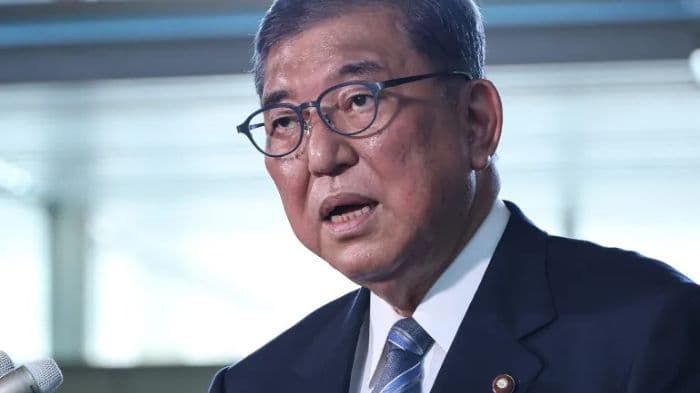
Japanese Prime Minister Shigeru Ishiba announced his decision to resign, less than a year into his tenure, citing the need to avert a potentially damaging split within the ruling Liberal Democratic Party (LDP).
The resignation comes amid pressure from party members following a pair of electoral defeats earlier this year.

Ishiba’s decision follows the LDP-Komeito coalition losing its majority in both the upper and lower houses of Parliament—blowbacks that intensified calls for accountability and change within the party.
In a press conference, Ishiba said he wanted to “pass the baton to the next generation,” stressing that stepping down was necessary to prevent division and rejuvenate party leadership.
The resignation was strategically timed. Ishiba said he waited to step down until after key negotiations, a US–Japan trade agreement that reduced auto tariffs from 25% to 15%—had concluded. He noted this milestone made it an “appropriate moment” to exit office.
Market reactions were swift. Analysts cautioned that his abrupt departure could heighten political uncertainty and disrupt fiscal policy direction.
Japan’s bond yields and yen markets may face turbulence amid speculation about policy shifts, especially if a more expansionary economic direction emerges under new leadership.
Ishiba will continue in his role as prime minister until the LDP conducts an emergency leadership election. Key contenders expected to emerge include former rival Sanae Takaichi, known for her fiscal hawkishness, and agriculture minister Shinjiro Koizumi, praised for his public appeal and reformist stance.
His resignation marks yet another fast turnover in Japanese leadership, spotlighting the LDP’s fragile grip on power and growing internal tensions.
Ishiba’s departure, while reactive, may help prevent a deeper crisis by clearing the way for cohesive party consolidation and a smoother leadership transition.