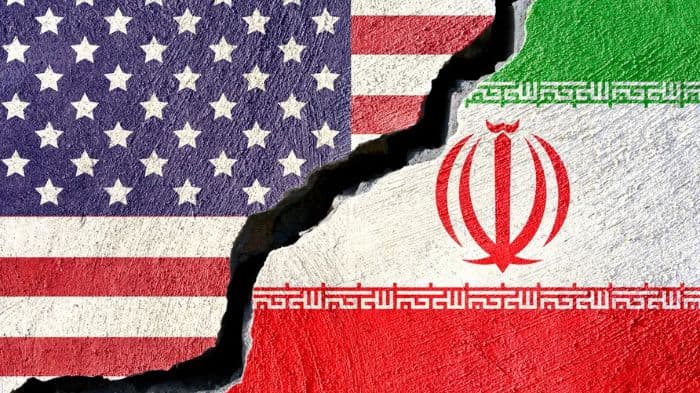
Tehran rejects Washington’s proposal as inadequate and says any end to hostilities will depend on strict conditions, including guarantees, compensation, and a halt to military actions amid ongoing tensions.

Iran has rejected a United States proposal aimed at ending the ongoing conflict, stating that any resolution will occur strictly on its own terms and conditions. According to reports, a senior Iranian official described the US plan as “excessive” and lacking sincerity, signalling continued resistance from Tehran.
The official emphasised that Iran would decide when to end the war, adding that the country intends to continue its military response until its demands are met. Tehran has also warned of “heavy blows” if hostilities persist, indicating no immediate willingness to de-escalate.

As part of its response, Iran has laid down five key conditions for ending the war. These include an immediate halt to what it calls aggression by the US and its allies, guarantees to prevent future attacks, and compensation for damages caused during the conflict. Reports also suggest that Iran seeks recognition of its sovereignty and security interests.
Iran’s stance is rooted in deep mistrust of Washington, with officials alleging that the US has previously failed to honour commitments during negotiations. This has contributed to Tehran’s refusal to accept the latest proposal without firm assurances.
The rejection comes amid ongoing hostilities in the region, with both sides continuing military operations and diplomatic efforts showing little progress. A broader US-led proposal reportedly included measures such as sanctions relief and restrictions on Iran’s nuclear and missile programmes, but Tehran has countered with its own framework.
The conflict, which has already disrupted regional stability and global energy markets, shows no clear path toward resolution as both sides maintain hardline positions.


DPDP Act Explained: What is India’s Digital Personal Data Protection Law and Why is it in the News?

IIT Bombay puts stricter cheating rules on hold, drafts new procedure for exam misconduct

ISRO expands student outreach during World Space Week 2026

Gujarat launches PARAKH Cell to shift school assessments toward competency-based learning

IIT Hyderabad launches AI lab with S&P Global for finance research

DPDP Act Explained: What is India’s Digital Personal Data Protection Law and Why is it in the News?

IIT Bombay puts stricter cheating rules on hold, drafts new procedure for exam misconduct

Gujarat launches PARAKH Cell to shift school assessments toward competency-based learning

IIT Hyderabad launches AI lab with S&P Global for finance research

Nana Patekar’s advice to graduates takes on new meaning after his death

DPDP Act Explained: What is India’s Digital Personal Data Protection Law and Why is it in the News?

IIT Bombay puts stricter cheating rules on hold, drafts new procedure for exam misconduct

ISRO expands student outreach during World Space Week 2026

Gujarat launches PARAKH Cell to shift school assessments toward competency-based learning

IIT Hyderabad launches AI lab with S&P Global for finance research

DPDP Act Explained: What is India’s Digital Personal Data Protection Law and Why is it in the News?

IIT Bombay puts stricter cheating rules on hold, drafts new procedure for exam misconduct

Gujarat launches PARAKH Cell to shift school assessments toward competency-based learning

IIT Hyderabad launches AI lab with S&P Global for finance research

Nana Patekar’s advice to graduates takes on new meaning after his death
Copyright© educationpost.in 2024 All Rights Reserved.
Designed and Developed by @Pyndertech