


India reiterates its call for restraint and dialogue after US-Israel strikes on Iran, while China terms the attacks a violation of international law, escalating diplomatic tensions as Prime Minister Narendra Modi stresses civilian safety and early cessation of hostilities.

India has maintained a cautious diplomatic stance amid the ongoing conflict in West Asia after coordinated United States and Israeli strikes on Iran, including the death of Iran’s Supreme Leader Ayatollah Ali Khamenei.
New Delhi has not publicly condemned the killing but has repeatedly called for an early cessation of hostilities, prioritising civilian safety and urging all sides to exercise restraint, officials and external affairs sources said.

In a phone call with Israeli Prime Minister Benjamin Netanyahu, Prime Minister Narendra Modi emphasised the need for hostilities in the region to end early and underscored the importance of protecting civilians amid surging violence.
In a post on X, Modi said he conveyed India’s concerns over recent developments and reiterated that the safety of civilians must be a priority. India also condemned recent attacks on the United Arab Emirates, expressing solidarity and thanking Emirati leaders for looking after Indian citizens in the Gulf.
The Indian government’s position, which focuses on de-escalation, dialogue and diplomacy, comes as world powers call for restraint and respect for international law.
China condemned the US-Israel strikes on Iran, deeming them “unacceptable” and urging an immediate halt to military operations and a return to negotiations.
China’s foreign ministry emphasised that disputes should be addressed through talks rather than force, reflecting growing global concern over the widening conflict.
New Delhi has also been in contact with other Gulf leaders to ensure the safety of Indian nationals, including in the UAE, Qatar, Kuwait and Bahrain, and regularly monitors evacuation and advisory needs as the situation evolves.
External Affairs Ministry officials have conveyed India’s concerns to counterparts in the region, highlighting the government’s approach of avoiding escalation while protecting citizens abroad.
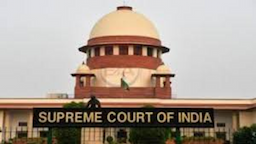
Rekha Sharma’s 40% Disability Certificate Disputed After Medical Board Reassessed It at 30%

Arctic Seals Face Rising Extinction Risk as Climate Change Accelerates Sea Ice Loss
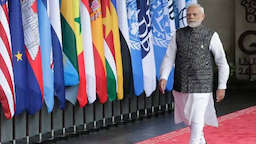
India's Multi-Alignment Policy Faces Fresh Diplomatic Challenges

AI Model Can Identify Zero-Day Vulnerabilities in Critical Software
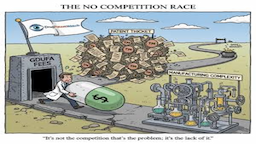
Patent Rejection Opens Possibilities for Generic Competition

Canada shifts focus to research talent as New Zealand targets growth in international education

Delhi to Attempt Artificial Rain Again as Pollution Chokes Capital; New Aircraft to Be Deployed

Want to speak Japanese with anime characters? Japan is developing an AI-powered language education app

Why are 3 in 4 Singapore parents turning to private tuition despite trust in schools?
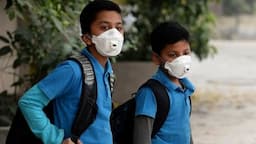
Delhi-NCR schools go hybrid: Which classes are affected and what parents should know?

Rekha Sharma’s 40% Disability Certificate Disputed After Medical Board Reassessed It at 30%
Arctic Seals Face Rising Extinction Risk as Climate Change Accelerates Sea Ice Loss
India's Multi-Alignment Policy Faces Fresh Diplomatic Challenges
AI Model Can Identify Zero-Day Vulnerabilities in Critical Software
Patent Rejection Opens Possibilities for Generic Competition
Canada shifts focus to research talent as New Zealand targets growth in international education
Delhi to Attempt Artificial Rain Again as Pollution Chokes Capital; New Aircraft to Be Deployed
Want to speak Japanese with anime characters? Japan is developing an AI-powered language education app
Why are 3 in 4 Singapore parents turning to private tuition despite trust in schools?
Delhi-NCR schools go hybrid: Which classes are affected and what parents should know?
Copyright© educationpost.in 2026 All Rights Reserved.