As India and the European Union race to narrow differences in their long-running trade negotiations, senior EU leaders arriving in New Delhi next week are expected to press for the conclusion of talks, with the formal signing of the agreement to follow after internal clearances, an EU official said on January 23.
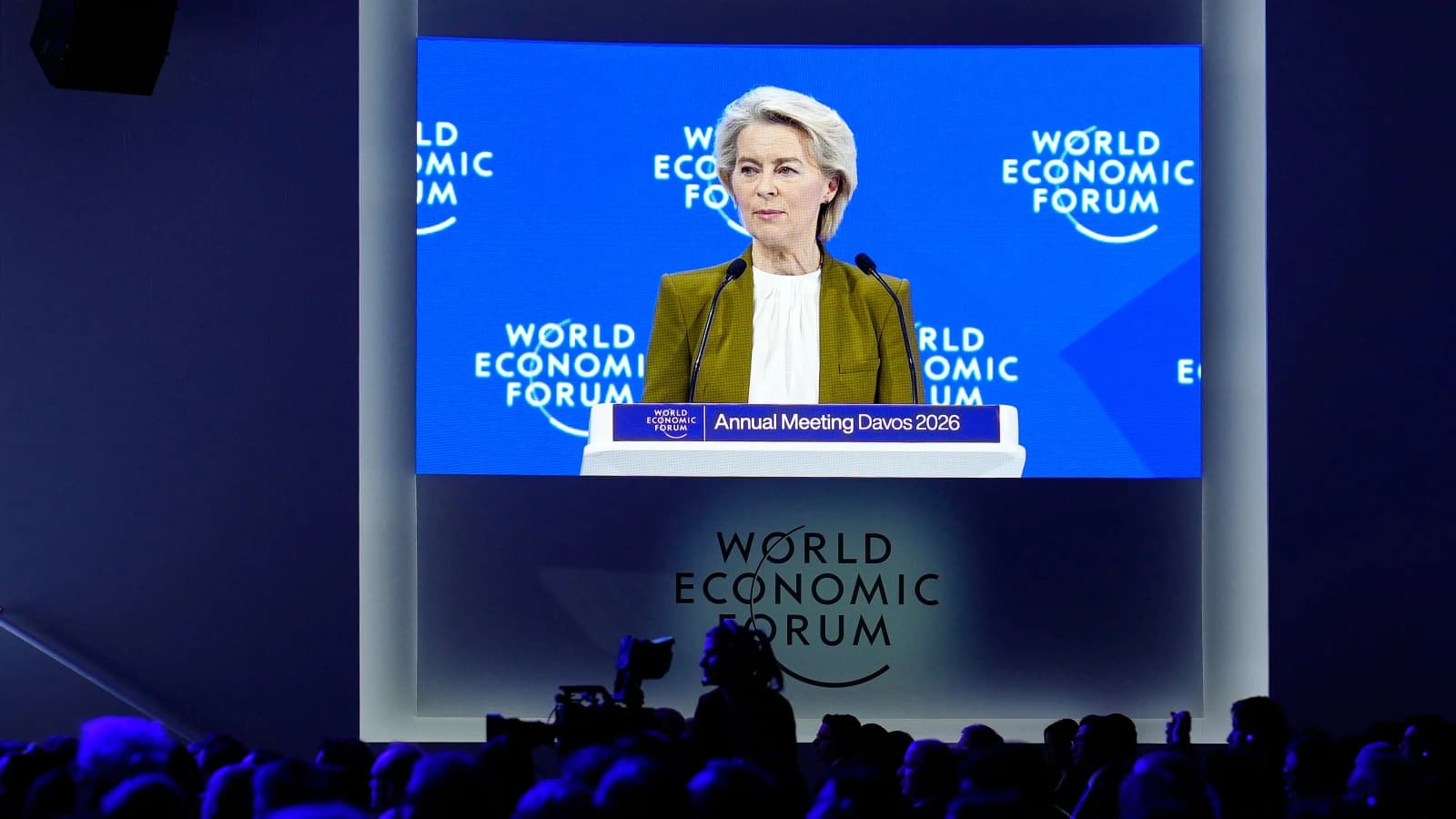
European Commission President Ursula von der Leyen and European Council President António Luís Santos da Costa will be the chief guests at India’s Republic Day celebrations and will co-chair the 16th India-EU Summit the following day, a meeting seen as pivotal for unlocking the next phase of the bilateral relationship.

With four chapters of the proposed free trade agreement (FTA) still open, the visit underscores the political urgency on both sides to bring negotiations to a close. “It is our objective to complete the negotiations. That’s the first step,” the EU official said. “We’re not talking about signatures in Delhi, but about concluding the negotiations, after which both sides will go through their internal procedures to reach the signature.”
The proposed trade pact is being framed as a strategic tool to diversify supply chains and reduce over-dependence on single sources, particularly China. The EU official said both sides are exploring joint industrial capacity in critical sectors such as active pharmaceutical ingredients (APIs) and solar equipment.
India’s reliance on China for APIs and high-technology inputs has emerged as a shared strategic concern for New Delhi and Western capitals. While India is the world’s largest exporter of generic medicines, most of the raw ingredients are imported from China. India’s imports from China crossed $112 billion in the last financial year, underlining the scale of the dependence.
Trade flows between India and the EU have expanded sharply despite tariff barriers. “Goods trade between India and the EU has grown by nearly 90 per cent over the past decade, even with higher tariffs on the Indian side,” the official said. Yet India still accounts for just 2–2.5% of the EU’s total goods trade, compared with nearly 15 in China’s case.
Beyond the FTA, Brussels is looking at traditional investment-promotion measures to deepen business cooperation in sectors both sides want to strengthen, including hydrogen, machinery, and advanced manufacturing.
EU officials stressed that there is political will to broaden the partnership beyond trade, with the summit also set to address global security concerns. Discussions are expected on Russia’s war in Ukraine, which the EU describes as an existential threat to Europe and a challenge to the rules-based international order, with spillover implications for the Indo-Pacific.
Acknowledging India’s long-standing ties with Moscow, the EU official said Brussels would encourage New Delhi to use its leverage in support of peace efforts. “We don’t see eye to eye on everything, but we share a core set of interests, including a stable international order,” the official said.
The summit is also likely to see the launch of a new cooperation framework on mobility, covering students, researchers, experienced workers and highly skilled professionals, aligned with labour-market needs in the EU. Decisions on movement, however, will remain with individual EU member states.
Additionally, the meeting is expected to inject momentum into preparatory work on the India-Middle East-Europe Economic Corridor (IMEC). While progress has been slowed by instability in the Middle East, working groups have been formed and feasibility studies are underway.
Announced at the G20 Summit in New Delhi in 2023, IMEC aims to boost economic integration through enhanced connectivity between Asia, the Arabian Gulf and Europe. Its eastern leg will link India’s western ports to the UAE, from where high-speed freight rail will carry goods across the Arabian Peninsula to Israel’s port of Haifa. From there, cargo will move by sea to Greece and Italy before entering Europe’s rail network for onward transport across the continent.