


Marking Sikkim’s 50-year journey with India, Modi outlines a bold roadmap to transform the Himalayan state into an international tourism hub and a global model for sustainable development.
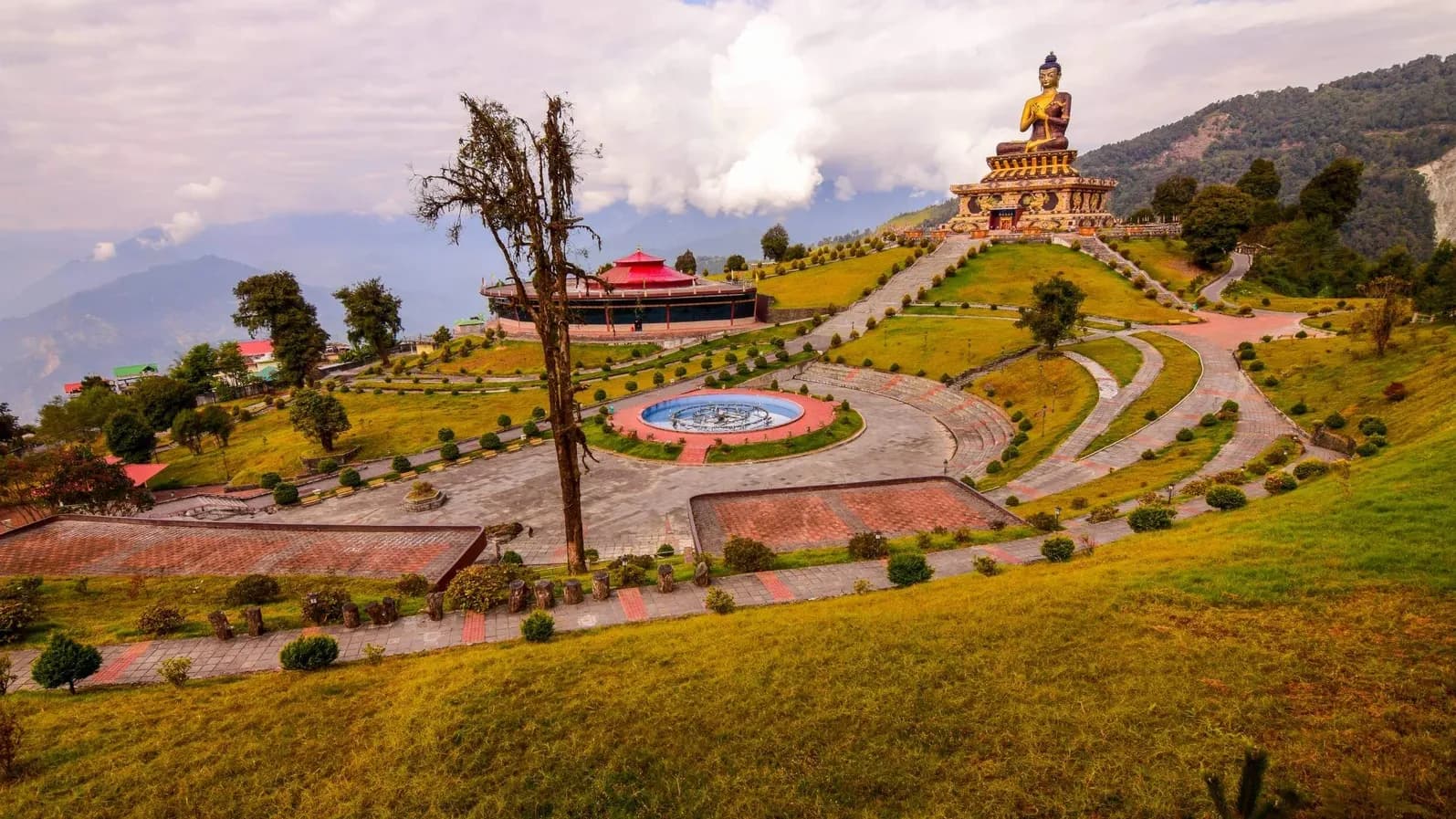
Prime Minister Narendra Modi on May 29 declared a sweeping vision for Sikkim’s future, positioning the Himalayan state as India’s next global tourism powerhouse and a world-leading Green Model State.
Speaking at the Sikkim@50 celebration via videoconference as his visit to the state was impeded by adverse weather, Modi lauded Sikkim as the “pride of the nation” and a cornerstone of India’s eastern development frontier.

“In the coming years, India is poised to emerge as a global sports superpower, and the youth of Sikkim and the Northeast will be at the forefront of this rise,” Modi affirmed, underlining the region’s strategic role in India’s transformation narrative.
Modi’s address marked a milestone moment, celebrating five decades since Sikkim’s integration into the Indian Union. Reflecting on that historic journey, Modi said, “Fifty years ago, Sikkim chose a democratic future—not just aligning with India’s geography, but connecting with its very soul.”
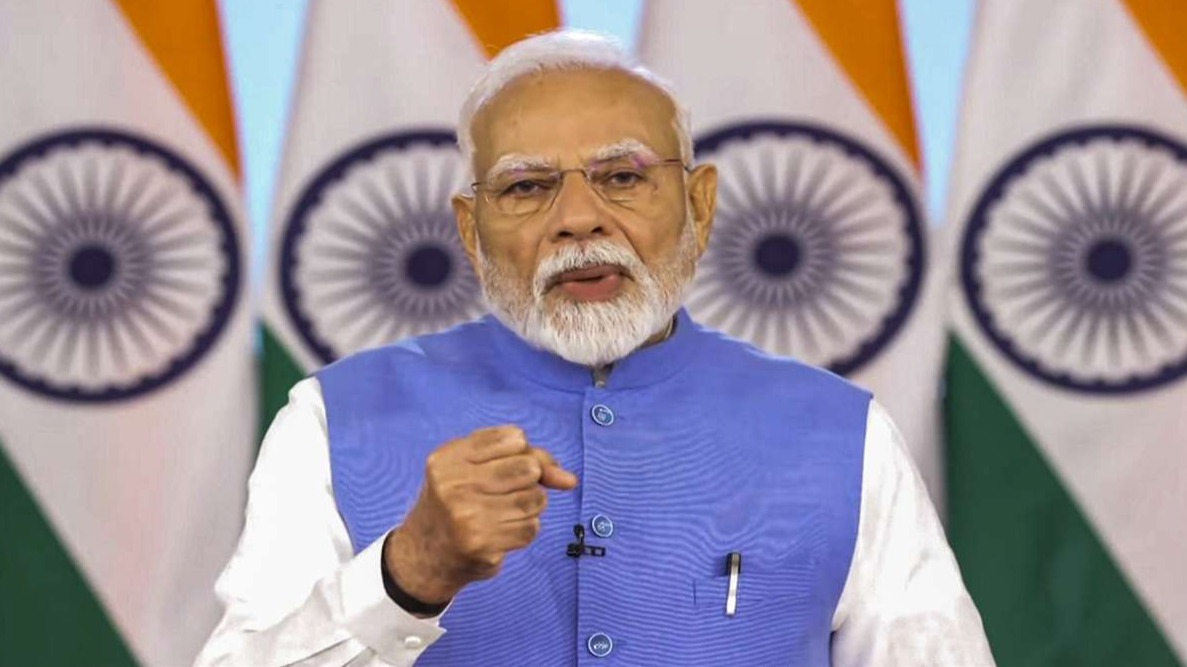
Modi’s speech carried a resonant message: Sikkim’s unmatched natural beauty and environmental consciousness must now be leveraged on a global scale. “Our vision is for Sikkim to become a Green Model State not just for India, but for the entire world,” he declared.
He highlighted the state’s achievements in organic agriculture, announcing a new milestone — the establishment of India’s first organic fisheries cluster in Soreng district. “This will further elevate Sikkim’s profile as a global organic leader,” Modi noted.
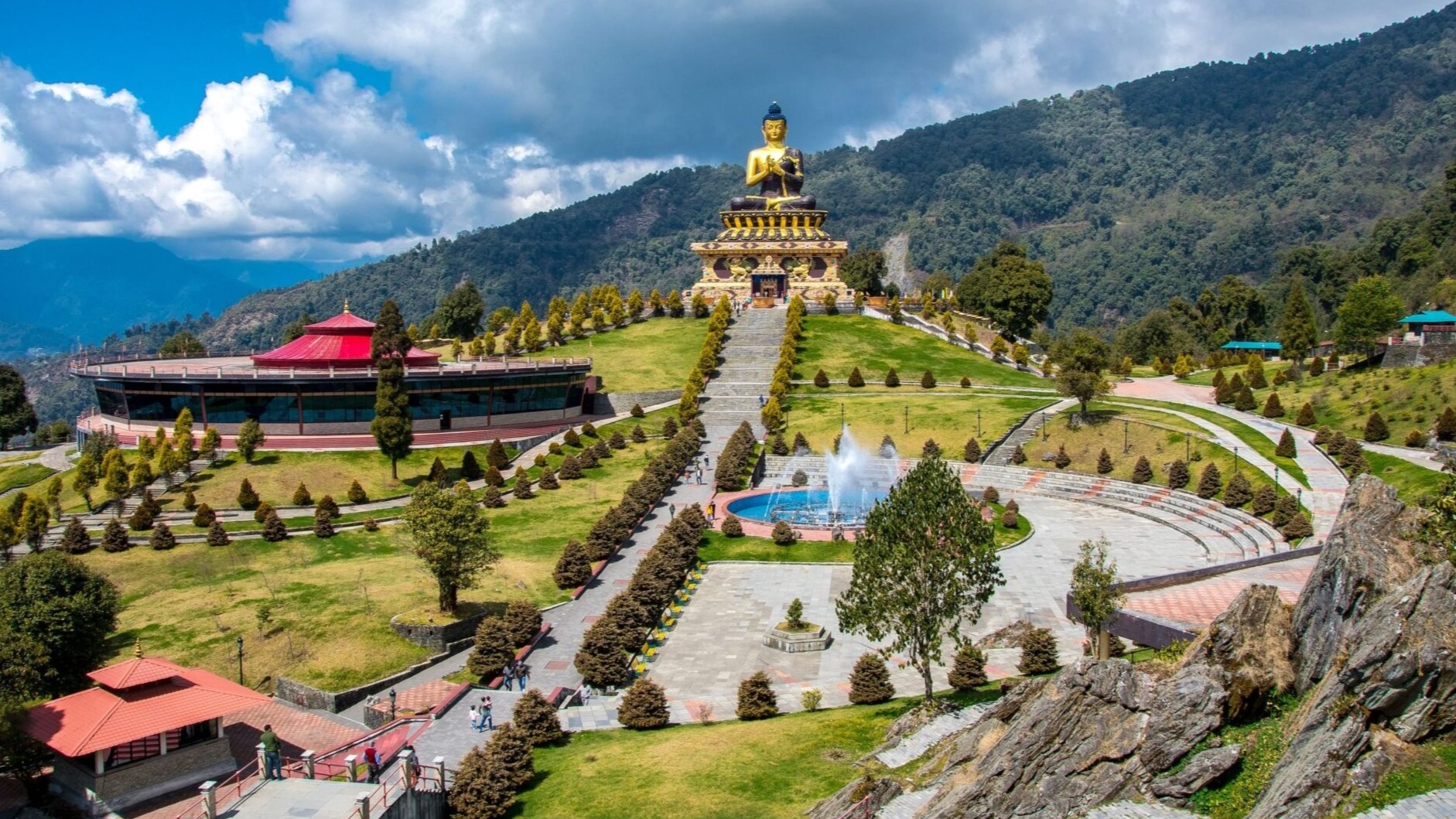
Reframing Sikkim’s identity, the Prime Minister urged the state to move beyond its image as a serene hill station to a full-fledged international tourism destination. “The time has come for Sikkim to take its rightful place on the global tourism map,” he said, referencing UNESCO’s Kanchenjunga National Park and the under-construction Skywalk project as key attractions in the state’s future tourism arsenal.
Central to this transformation, Modi said, is connectivity — a theme he emphasized repeatedly. “Where once the distance from Delhi posed a barrier, today, the Northeast is opening new doors of opportunity,” he said. Since 2014, nearly 400 km of national highways have been built in Sikkim, alongside major infrastructure upgrades including the Atal Setu bridge and a new road connecting Kalimpong.
“Connectivity is not just about roads and bridges—it’s about empowering dreams, accelerating development, and uniting regions,” he said.
Modi reiterated that the foundation of a Viksit Bharat, a developed India rests on empowering four key groups: the poor, farmers, women, and youth. He emphasized that the Centre’s approach to governance since 2014 — Sabka Saath, Sabka Vikas — has ensured that no region is left behind.
“Sikkim’s impressive per capita income is a testament to the talent and capability of its people,” he added, affirming the state’s role in India’s balanced growth trajectory.
Addressing the recent terror attack in Pahalgam, Modi’s tone turned resolute. He called it not only an attack on Indians but on humanity itself. “They tried to break us by wiping the sindoor from the foreheads of Indian daughters. But India struck back with Operation Sindoor,” he stated. “Today, the world sees a united India — resilient, determined, and unwavering in its response to terror.”
As part of the golden jubilee celebrations, Modi hailed new landmark projects in Sikkim, including a statue of former PM Atal Bihari Vajpayee and the Golden Jubilee Project inauguration, calling them “symbols of Sikkim’s rising stature.”
Concluding on a note of promise, Prime Minister Modi said, “Tourism is not just entertainment. it’s a celebration of diversity, culture, and nature. And Sikkim stands ready to lead the world in all three.”
By the numbers: Sikkim’s development snapshot

Anthropic’s Mythos AI Model: How Artificial Intelligence Is Transforming Cybersecurity

Democratic Control of Congress Raises Hopes of Iran Deal and Lower Crude Prices

Market Rally Follows Three Years of Weak Performance Amid Global Uncertainty and High Valuations
Supreme Court Reconsiders 2003 Two-Child Norm Ruling, Questions Its Relevance Amid Changing Demographics

SC Says Police Cannot Delay Constitutional Safeguards Through Searches and Questioning

Nepali students form Japan's second-largest international academic community: Foreign Minister

'Mogging' explained: How bodybuilding term became Collins Word of the Year 2026

‘It’s actually very cut-throat’: 13-year-old wins New Zealand spelling bee title

Schoolchildren join desperate effort to save stranded whales on New Zealand coast

New Zealand school hostel shut down after damning inspection raises concerns over student welfare

Anthropic’s Mythos AI Model: How Artificial Intelligence Is Transforming Cybersecurity
Democratic Control of Congress Raises Hopes of Iran Deal and Lower Crude Prices
Market Rally Follows Three Years of Weak Performance Amid Global Uncertainty and High Valuations
Supreme Court Reconsiders 2003 Two-Child Norm Ruling, Questions Its Relevance Amid Changing Demographics
SC Says Police Cannot Delay Constitutional Safeguards Through Searches and Questioning
Nepali students form Japan's second-largest international academic community: Foreign Minister
'Mogging' explained: How bodybuilding term became Collins Word of the Year 2026
‘It’s actually very cut-throat’: 13-year-old wins New Zealand spelling bee title
Schoolchildren join desperate effort to save stranded whales on New Zealand coast
New Zealand school hostel shut down after damning inspection raises concerns over student welfare
Copyright© educationpost.in 2026 All Rights Reserved.