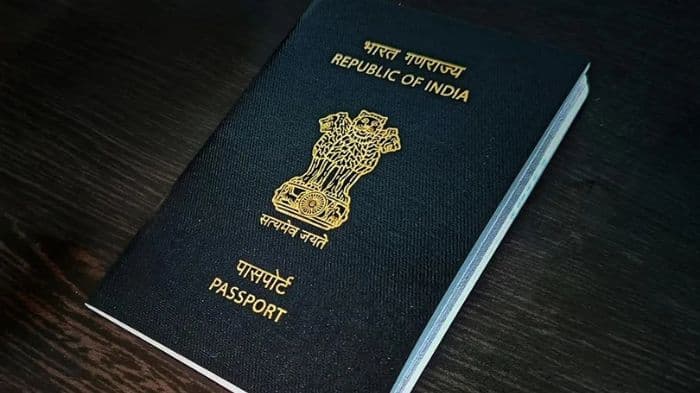
A clarification by the Ministry of External Affairs (MEA) that an Indian passport is a travel document and not conclusive proof of citizenship has triggered widespread debate and renewed attention on how citizenship is established in India.
The issue came into focus during Passport Seva Divas events, where MEA officials emphasised that the primary purpose of a passport is to facilitate international travel and establish the holder’s nationality abroad.

The ministry’s remarks led to questions about whether commonly used documents such as passports, Aadhaar cards and voter identity cards can be treated as proof of citizenship.
Following the controversy, government sources clarified that the position is not new and has been part of the legal framework for decades. They said a passport has never been treated as conclusive proof of citizenship and no policy change has been made by the Centre. The clarification cited existing legal provisions and court rulings.
The debate has highlighted a key distinction in Indian law between identity documents and citizenship status. While a passport is issued after verification by authorities, it is not considered a citizenship certificate. Similarly, Aadhaar, PAN cards, voter IDs and driving licences are widely accepted as identity documents but are not regarded as definitive proof of citizenship.
According to legal experts and government explanations, Indian citizenship is determined under the provisions of the Citizenship Act, 1955. Citizenship may be acquired by birth, descent, registration, naturalisation or incorporation of territory.
In many cases, establishing citizenship requires a combination of documents relating to birth, parentage and other legally recognised records rather than a single standalone document.
The MEA’s remarks also drew political reactions. Several opposition leaders questioned which document citizens could rely on if a passport itself is not considered conclusive proof of citizenship.
Public figures and commentators similarly expressed concern over the absence of a single universally accepted citizenship document.
Government sources, however, reiterated that the clarification should not be interpreted as a change in policy. They stressed that passports continue to be issued only after due verification and remain valid travel documents, but citizenship questions are ultimately governed by the Citizenship Act and related legal provisions.











.jpg&w=256&q=75)
