A compilation of student deaths across the Indian Institutes of Technology has recorded 171 suicides and other unnatural deaths between January 2006 and September 2026, according to data put together by IIT Kanpur alumnus Dheeraj Singh.
Singh, who runs the Global IIT Alumni Support Group, compiled the information from responses to Right to Information applications and media reports. He has cautioned that the dataset may not capture every death because it relies on these sources.

The compilation shows that the number of reported deaths was substantially higher in the second half of the period studied. It lists 120 deaths between 2016 and September 2026, compared with 51 between 2006 and 2015. Singh described this as a 135 per cent increase in reported deaths.
Most reported suicides occurred on campuses
According to the analysis, about 82 per cent of the reported suicides took place on IIT campuses. Singh said this pattern indicates that factors associated with the campus environment may need closer examination.
The analysis also found that reported student deaths were more frequent around examination periods and result announcements, while fewer cases were recorded during semester breaks. Around 70 per cent of the suicide cases in the compilation involved hanging, according to the data.
The figures do not establish a single cause for the deaths. The compilation is based on information collected from RTI replies and media reports, rather than a central official database covering all IIT student deaths.
Data points to differences across student groups
Singh's analysis identifies differences in the reported suicide figures across academic and social groups. Male BTech students and women pursuing PhD programmes together accounted for about 60 per cent of the suicides in the compilation.
The analysis also estimates that the suicide death rate among SC and ST students was about twice that of students from the general category during the period studied. Singh further reported differences in the average age of SC and ST students who died compared with students from the general and OBC categories.
The compilation also points to a rise in estimated suicide death rates among SC and ST students after the Covid-19 period. Singh said he used a methodology based on the World Health Organisation's approach, while acknowledging limitations in the underlying data.
IIT Bombay records third student death this year
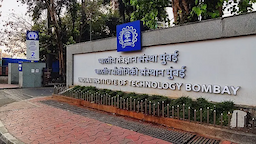
The compilation comes amid protests at IIT Bombay following the death of 22-year-old BTech student Sahil Wakode on Sep 18. The second-year student was from the Department of Energy Science and Engineering.
The death followed an examination in which, according to IIT Bombay, Wakode was found using a mobile phone and had uploaded the question paper to ChatGPT to seek answers. The institute said no disciplinary action had been initiated against him and that the incident had been discussed with him by the instructor and head of department.
Wakode's parents have alleged caste discrimination and pressure on their son. Police registered a case following the family's complaint, and the investigation was handed over to the Mumbai Crime Branch after the family sought a probe by the specialised agency. IIT Bombay's director has denied allegations of caste discrimination.
The Sep 18 death was reported as the third student suicide at IIT Bombay this year, according to the institute-related reporting.
Singh's wider compilation records 74 IIT student suicides or unnatural deaths from September 2021 to September 18, 2026, including 13 in 2026 so far, according to his latest figures cited in the reporting.