The Commission urged institutes to create high-level intervention panels, strengthen counseling systems, improve transparency on student welfare measures, and address recurring deaths reported across multiple campuses nationwide.
Pragya Kumari28 May 2026 12:15
The Central Information Commission has flagged a “persistent crisis” of suicides across IIT campuses and urged institutes to create high-level committees to examine the factors driving such deaths, strengthen student support systems, and improve transparency around mental health interventions.
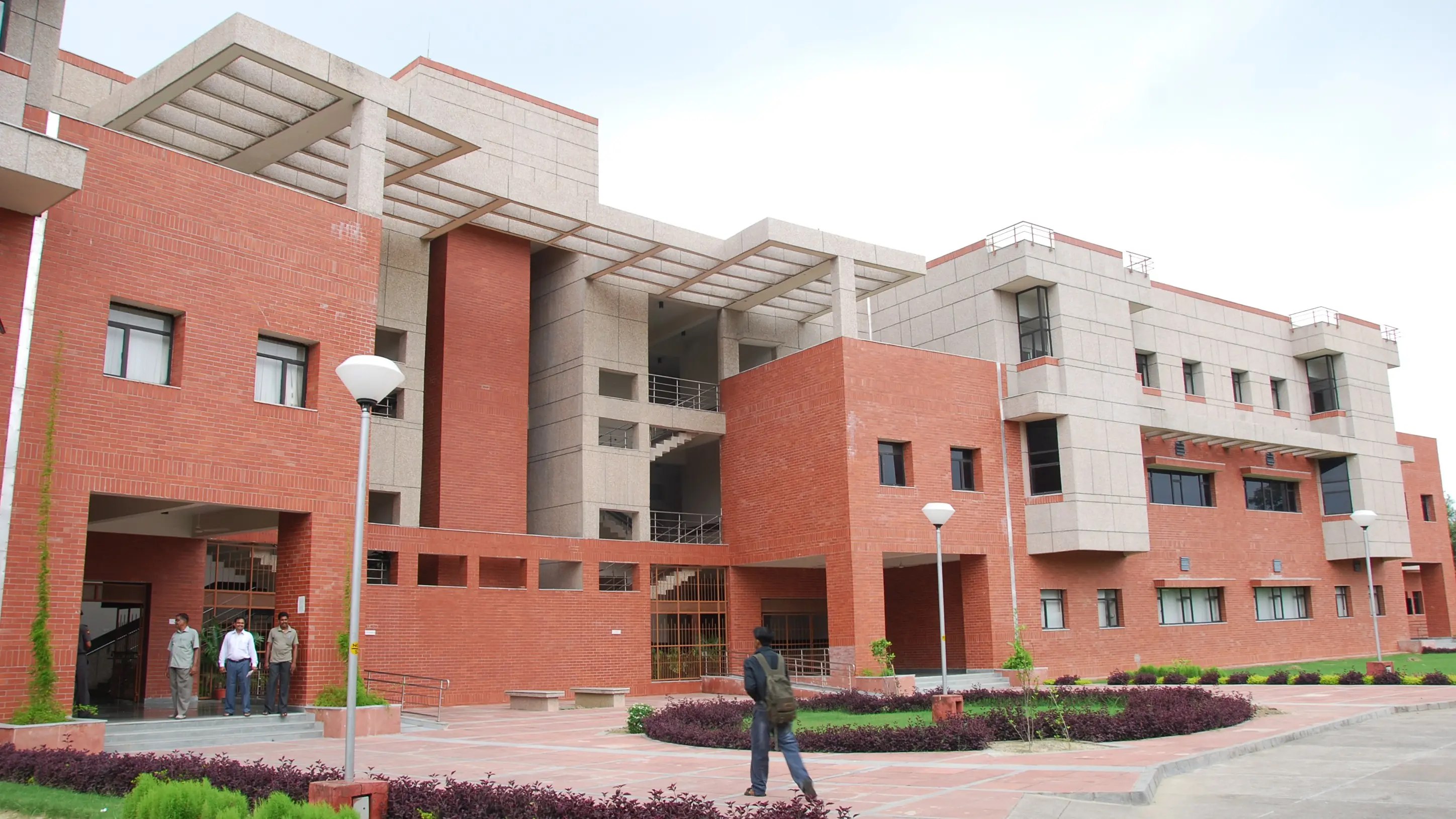
The recommendation came during hearings on a batch of appeals involving IIT Madras, IIT Jodhpur, IIT Goa, and IIT Kanpur after the institutes refused to disclose personal details of students, scholars, and research staff who died by suicide on campus.
While upholding the IITs’ decision to withhold personal information under privacy protections, the Commission stressed that institutions could no longer treat recurring student deaths as isolated incidents and must proactively disclose details about preventive mechanisms, counseling frameworks, and institutional response systems.
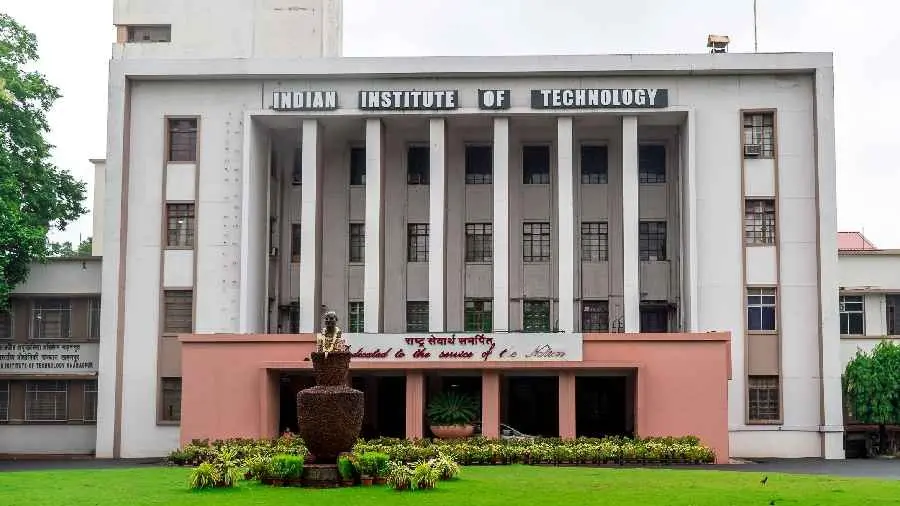
Information Commissioner Sudha Rani Relangi observed that IIT campuses continue to witness “multiple suicides annually,” with a “high concentration” reported at institutions including IIT Kanpur and IIT Kharagpur.
The Commission said there was a “dire need” for universities to establish dedicated panels to identify causes contributing to student distress, monitor campus well-being, and recommend structural reforms if such committees were not already functioning.
It further directed IITs to place details regarding the constitution, functioning, and responsibilities of such committees on their official websites under mandatory disclosures prescribed by the RTI Act.
The order has drawn attention because it comes amid worsening national data on student suicides and growing scrutiny of mental health conditions within India’s premier educational institutions.
According to the National Crime Records Bureau’s “Accidental Deaths and Suicides in India 2024” report, student suicides rose from 13,892 in 2023 to 14,488 in 2024, an increase of nearly 4.3%.
Students accounted for 8.5% of all suicide deaths recorded in India in 2024, compared with 8.1% in 2023.
The NCRB data translates to nearly 40 student suicides every day across the country, or approximately one student death every 36 minutes. The long-term trend has been even more alarming.
Official NCRB figures show student suicides in India increased by nearly 65% between 2013 and 2023. In 2013, India recorded 8,423 student suicides. By 2023, the number had climbed to 13,892.
Between 2019 and 2023 alone, student suicides increased by 34%. In comparison, overall suicides in India rose by 27% over the same decade, increasing from 1.35 lakh deaths in 2013 to 1.71 lakh in 2023.
Students constituted 6.2% of total suicides in 2013. That figure rose to 8.1% by 2023, highlighting the disproportionate impact on young people.
The CIC proceedings originated from appeals filed by IIT alumnus Dheeraj Kumar Singh, who sought detailed information on suicide cases reported across IITs since 2005.
His RTI applications requested data including age, gender, caste category, academic program, native state, and location of death of students and research scholars.
During the hearing, Singh told the commission that he was running an NGO focused on student rehabilitation and psychological counseling and required the information to study patterns behind suicides and improve intervention strategies.
The IITs refused disclosure of names, caste details, age, and related personal information, citing privacy exemptions under Section 8(1)(j) of the RTI Act.
The Commission agreed with the institutes and referred to changes introduced through the Digital Personal Data Protection Act, 2023.
“It is relevant to mention here that with the introduction of Section 44 (3) of the Digital Protection and Data Privacy Act, 2023, which came into force w.e.f. November 14, 2025, which establishes that Public Authority no longer requires to justify withholding personal data by weighing public interest against privacy,” the order said.
Transparency activist Anjali Bhardwaj criticized the implications of the ruling and argued that withholding demographic data could weaken public understanding of patterns linked to discrimination and marginalization.
“Demographic details, particularly caste data, are essential to identifying whether suicides are disproportionately prevalent among specific marginalized communities. Withholding this information directly stifles crucial public debate on appropriate measures necessary to mitigate this crisis,” she claimed.
Transparency activist Amrita Johri described the CIC’s recommendation for proactive disclosure as an important institutional step.
“Details about the existence of such committees will be most useful as it will enable students, teachers, and parents to reach out for help or with suggestions on steps that can be taken to address the crisis. Transparency will facilitate an open and honest engagement to prevent student suicides,” she said.
The NCRB report itself acknowledged the wider societal impact of suicides.
“Each suicide is a personal tragedy that prematurely takes the life of an individual and has a continuing ripple effect, affecting the lives of families, friends, and communities,” the report noted.
The CIC’s observations come against the backdrop of repeated student deaths at IIT campuses over the past several years. Government and institutional data indicate that more than 35 student suicides have been reported across IITs in the last five years alone.
The SC recently observed that 98 student suicides had occurred across IITs, IIMs, and other premier institutions since 2018, describing the trend as evidence of a “systemic failure.”
In 2023 alone, at least seven student suicides were reported across IIT campuses. IIT Kanpur has emerged repeatedly in official records and recent incidents.
On Jan 20, 2026, Ramswroop Ishram, a 25-year-old PhD scholar from the Department of Earth Sciences at IIT Kanpur, allegedly died after jumping from the sixth floor of a residential building on campus.
Police said no suicide note was recovered.
The incident marked the third reported student suicide at IIT Kanpur within four months and raised the total number of suicides at the institute to eight over the previous two years.
Following the incident, the Ministry of Education constituted a three-member committee to investigate the deaths and review institutional mechanisms at IIT Kanpur.
The panel was headed by National Educational Technology Forum chairman Anil Sahasrabudhe and included psychiatrist Dr Jitendra Nagpal and a ministry official.
The committee was tasked with examining counseling services, grievance redressal systems, student welfare mechanisms, and the institute’s compliance with the Ministry’s 2023 mental health guidelines.
In response to the growing crisis, IIT Kanpur announced a major expansion of its Center for Mental Health Wellbeing. The institute appointed 10 full-time professional psychologists trained to manage severe mental health cases.
A clinical head who is also a psychiatrist was appointed to supervise activities, supported by three empanelled psychiatrists.
The institute also announced compulsory mental health screening for all incoming undergraduate and postgraduate students during their first week on campus.
Students identified as moderate or high risk are to receive structured follow-up support, counseling, and psychiatric referrals where necessary.
The institute additionally launched 24/7 emergency mental health response systems and expanded sensitization programs for faculty, hostel staff, security personnel, mess workers, and library employees.
Peer mentoring systems for undergraduate and postgraduate students were also formalized.
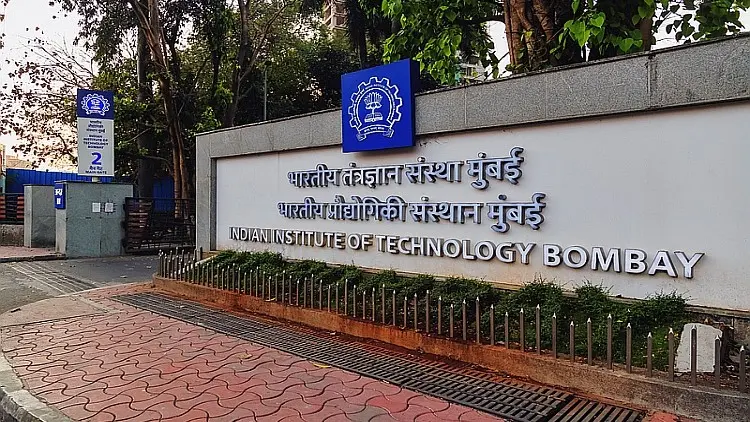
At IIT Bombay, 21-year-old second-year Civil Engineering student Naman Agarwal died on Feb 4, 2026, after falling from a hostel building inside the Powai campus.
Police investigating the case said Agarwal had recently sought on-campus counseling support and had become increasingly withdrawn before the incident.
Investigators recovered a handwritten note from his diary and examined CCTV footage showing him entering the hostel terrace alone shortly before the fall.
“When Naman fell from the 9th floor, the hostel was mostly awake, as many students sleep late. Students heard a loud thud and rushed toward the source of the noise and were shocked by what they saw. Security was immediately alerted as students started gathering at the spot,” a student said.
Agarwal’s relatives described him as academically gifted and hardworking.
“He was able to get admission to the topmost IIT Bombay; that is proof enough to know how hardworking and bright he has been. It is impossible to believe that he was undergoing any kind of counseling,” said relative Pawan Kumar Goyal.
Police registered the case as an Accidental Death Report while continuing investigations.
Another IIT Bombay student, Rohit Sinha, a fourth-year Metallurgical Sciences student from Delhi, allegedly died after jumping from the tenth floor of a hostel building on Aug 2, 2025.
Police launched an investigation, reviewed CCTV footage, and examined academic and personal records to determine circumstances surrounding the death.
The case intensified calls for stronger mental health support systems at elite institutions.
At IIT Kharagpur, 21-year-old mechanical engineering student Ritam Mondal was found dead in his hostel room on July 18, 2025, only days after returning from summer vacation.
The death marked the fourth unnatural death reported at IIT Kharagpur within seven months.
“Ritam’s father, Uttam Mondal, panicked after he did not pick up his calls and contacted a hostel employee to check on his son. The employee found the student hanging,” a source said.
IIT Kharagpur director Professor Suman Chakraborty ordered a fact-finding investigation.
“I have asked a fact-finding panel to provide a concrete and detailed report on the incident after gathering information from the department, hostel, counseling center, and hospital. The committee will also speak to hostel employees and his friends,” he said.
The institute later introduced a new student welfare initiative called SETU, standing for Support, Empathy, Transformation, and Upliftment.
The program includes psychologist-led training, expanded student support structures, and new mental health interventions.
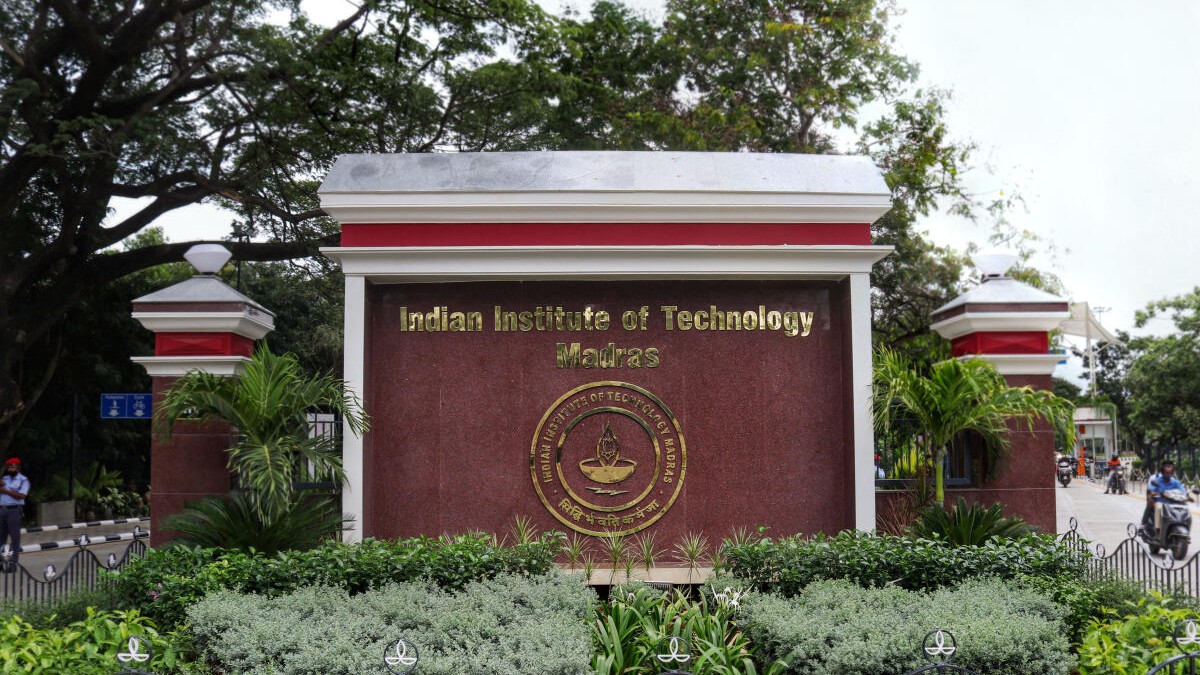
IIT Madras has also announced expanded campus well-being initiatives under a program titled “Towards a Happy, Safe, and Secure Campus.”
Speaking during the event, retired IPS officer and Student Ombuds G Thilakavathi urged students not to lose hope during periods of stress.
“As the Director said, it should be a ‘zero suicide batch,'” she said. “Whatever stress that you are going through, whatever problem you are facing, all that can be solved. The best is yet to come, and nothing is lost. You should march forward.”
IIT Madras Director Prof V Kamakoti outlined the institute’s broader support systems.
“Our efforts span multiple dimensions, including student grievance redressal mechanisms, counseling and wellness services, safety and security protocols, sensitization programs, and robust institutional frameworks that encourage transparency, empathy, and accountability,” he said.
The Supreme Court has also intervened in the broader issue.
On April 24, 2025, the court allowed the University Grants Commission to proceed with notifying draft regulations dealing with ragging, sexual harassment, discrimination, and mental health protections in higher education institutions.
The regulations emerged after earlier judicial observations linking student suicides to caste discrimination, institutional failures, harassment, and mental health neglect.
Senior advocate Indira Jaising, appearing during the hearings, criticized portions of the proposed regulations.
“All those have been done away with in the proposed new regulations,” she said while referring to earlier standalone safeguards addressing harassment and discrimination.
Mental health experts have repeatedly pointed to multiple contributing factors behind the rise in student suicides, including academic pressure, social isolation, financial distress, uncertainty over careers, discrimination, family expectations, and inadequate counseling infrastructure.
Experts say the Covid pandemic further intensified anxiety, loneliness, and psychological stress among students.
Recommendations from counselors and education experts include round-the-clock mental health helplines, campus counseling centers, peer support networks, stress management workshops, faculty sensitization programs, and reforms aimed at reducing extreme academic pressure.
They also stress the need for parents and institutions to prioritize emotional well-being alongside academic achievement and create environments where students feel supported rather than isolated.






.jpg&w=256&q=75)
.jpg&w=256&q=75)



.jpeg&w=256&q=75)
.jpg&w=256&q=75)
.jpg&w=256&q=75)
